
Oil-Filled Radiator vs. Electric Heater: Your Complete Winter Warming Guide
| Key Takeaways Short on time? Here’s the essential difference between the two main types of portable electric heaters: Convector Heaters: Faster to heat a room. Best for a quick, targeted warm-up. They use a convection current to heat the air. Oil-Filled Radiators: Slower to warm but retain heat longer. Best for sustained, all-evening warmth. Running Costs: Depends on your usage pattern and control features (like a thermostat or timer). If you heat one room frequently, a portable heater can be a much cheaper alternative to whole-home central heating. |
When it comes to keeping warm in the colder months, you need a portable radiator that you can take with you wherever you are in your home.
Heating bills can get very expensive if you use it day in and day out, so a smaller, portable electric option could save you money and improve your comfort.
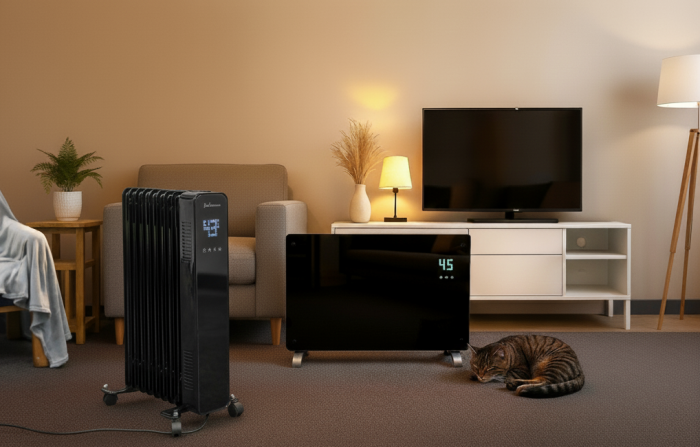
The two main contenders for the best portable heaters are oil-filled radiators and convector heaters. Here at Jack Stonehouse, we know what it takes to find that perfect, cost-effective warmth, so we’ve put together a clear, simple comparison to help you choose the best unit for your family’s needs.
Jump to:
Oil-Filled Radiator vs. Electric Heater: A Quick Comparison
Which is More Effective, a Convector Heater or an Oil-filled Radiator?
Electric Heaters vs Central Heating
How to Choose a Heater for Room Size
Oil-Filled Radiator vs. Electric Heater: A Quick Comparison
To get straight to the facts, check out this simple table comparing the key characteristics of a typical oil-filled electric radiator and a standard convector heater or electric fan heater.
| Feature | Oil-Filled Radiator | Convector / Fan Heater |
|---|---|---|
| Warm-up Time | Slower (15–30 minutes) | Fast (Instant to 5 minutes) |
| Heat Type | Radiates slow, sustained heat (like a central radiator) | Convects/blows hot air (quick, direct warmth) |
| Heat Retention | Excellent – Stays warm after power-off (Energy Efficient) | Poor – Stops heating almost immediately after powering off |
| Best Use | Sustained, long-duration heating (e.g., all evening) | Quick bursts of heat (e.g., a chilly morning) |
| Surface Temperature | Hot to the touch (Use caution with small children/pets) | Generally lower (fan-forced units are cooler) |
| Noise Level | Silent operation | Quiet to moderate fan noise |
| Dust/Allergies | Minimal dust circulation (Radiant heat) | Can circulate dust and allergens (Convection current/Fan) |
Which is More Effective, a Convector Heater or an Oil-filled Radiator?
Both are highly effective but in different ways: Convector heaters win for speed, while oil-filled radiators win for sustained warmth.
If you just want a quick blast of heat to warm up, a convector heater is ideal. However, for continuous use, such as an entire evening in the living room, the oil-filled radiator is often more preferable for its heat-retaining properties, which keep the room temperature stable for longer without consuming as much power. Your choice comes down to personal preference and how you intend to use it.
Oil-Filled Radiator FAQs
How do oil-filled radiators work?
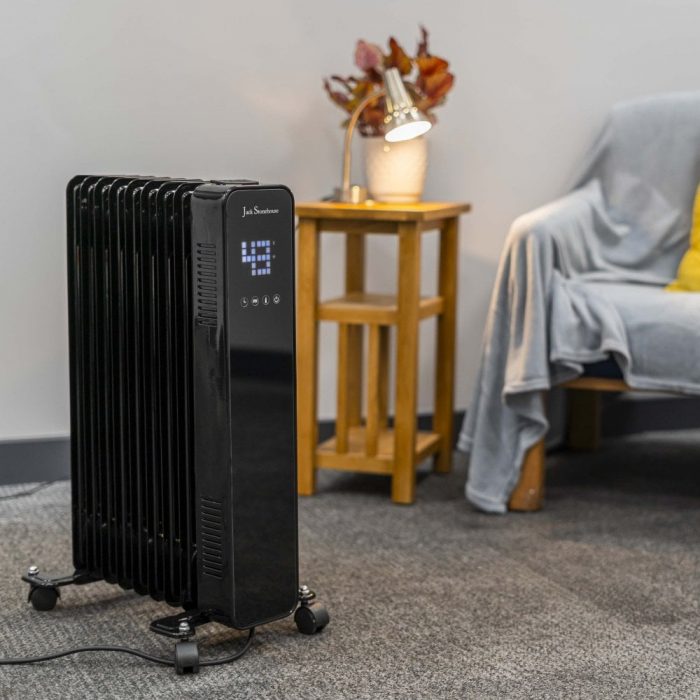
Oil-filled electric radiators are an effective heating solution thanks to the oil’s heat-retaining properties. A coil inside the radiator heats the surrounding oil, transferring heat to the remaining oil within the radiator. This heat is then released into the air and transferred throughout the room, making any space feel warm and cosy.
Once the room has reached the desired temperature and the radiator has switched itself off, it will continue to radiate heat throughout the room, maintaining the temperature without consuming any additional power.
Are oil-filled radiators cheap to run?
The heat-retention qualities of oil-filled radiators are the key factor in their cost-effectiveness. This ability to retain heat makes the radiators very energy-efficient, wasting as little electric energy as possible as it converts into heat energy, warming your room during those harsh winter days. Purchasing an oil-filled radiator can help you save on future heating bills and keep your space warm and toasty.
What are the disadvantages of oil-filled radiators?
The primary drawback of oil-filled radiators is their slow heat-up time. They take significantly longer than convector or standard electric heaters to reach their maximum temperature and begin warming a room effectively, which can be inefficient if you need immediate heat. Once heated, they are also quite heavy and bulky, making them less convenient to move between rooms compared to lighter electric models.
Electric Heater FAQs
How do electric heaters (convector/fan) work?
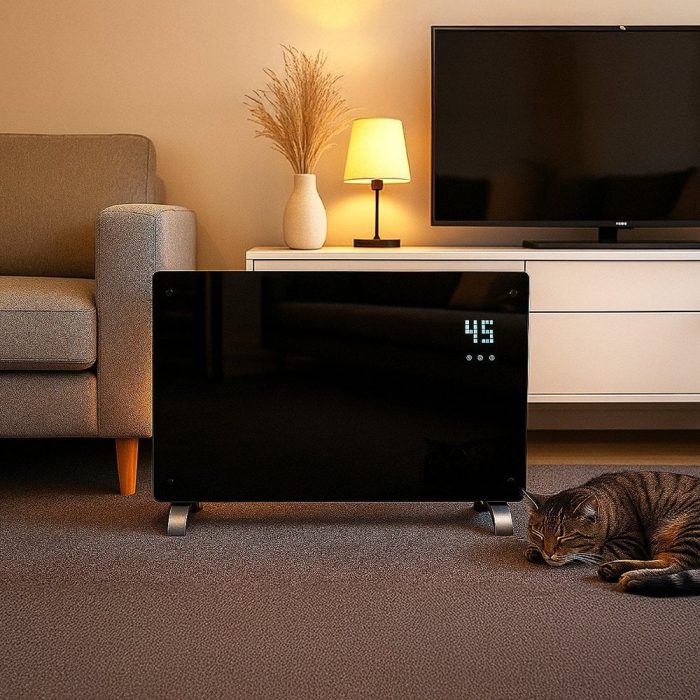
Electric heaters are designed to heat a room faster thanks to the convection currents they create. The internal element heats the air inside the radiator, forcing it to rise into the room; this creates a current that quickly carries the warmth throughout the room, whilst forcing the cooler air to travel through the radiator. Our electric heaters also feature a built-in fan to help air circulate even faster, so you don’t have to keep it on long to feel the warming effect.
Are convector heaters expensive to run?
Convector heaters can heat a room faster than you can make a cup of tea, but is that cost-effective? The answer isn’t as simple as yes or no, as you need to be aware of certain features of electric heaters. The best electric heaters will help keep you warm and stress-free regarding your energy costs, and a big part of that is having control.
Our electric heaters come with adjustable thermostats so you can control how much heat and energy is used. Being able to accomplish this can be a major factor in improving your cost-effectiveness. Timers are another feature in our heaters that puts you in the driver’s seat. Set specific times and temperatures that best suit you and control your energy output.
What are the disadvantages of a convector heater?
Limited heat retention is the main disadvantage of a convector heater. Unlike oil-filled radiators, convector heaters stop emitting heat almost immediately after they are switched off, meaning the room can cool down quickly, and they must cycle on more frequently to maintain a steady temperature. This method of heating relies on moving air; as a result, heat can be easily lost or diluted in poorly insulated or large rooms, or when a door or window is opened.
Safety and Maintenance FAQs
Your family’s safety is always a priority. Here are the facts on maintenance and safety for both unit types.
Are oil-filled radiators safer than electric fan heaters?
Both modern electric heaters are very safe, but they have different features:
- Oil-Filled Radiators: These units have a hot surface temperature, so they pose a greater burn risk than fan heaters.
- Fan/Convector Heaters: Their surface is generally cooler.
Always look for key safety features on both types, such as a tip-over switch (which automatically shuts the unit off if it falls) and overheat protection.
Do oil-filled radiators use actual oil, and does it need maintenance?
The oil inside is a special diathermic oil, but it is permanently sealed inside the unit. It never needs to be replaced, topped up, or maintained. It is simply a thermal medium, making these units exceptionally low-maintenance.
For allergy sufferers, which is better: oil-filled or fan-forced?
An oil-filled radiator is generally better for allergy sufferers. They use radiant heat, which heats objects and people directly and does not rely on blowing air. A fan-forced electric heater will naturally circulate more dust and particles throughout the room.
Electric Heaters vs Central Heating
When comparing portable heaters to traditional central heating, the two main factors are effectiveness and cost. If your priority is to get as warm as quickly as possible, electric heaters are the ideal choice. However, how cost-effective are convector heaters compared to central heating?
In a typical household, half of the fuel bill costs are down to heating and hot water, according to the Energy Saving Trust. Turning on the heating will set the process of warming your entire home in motion, whereas with portable heaters, you can keep the heat focused. If you’re looking to save on bills this winter, an electric heater is an ideal way to keep you and your budget cosy.
How to Choose a Heater for Room Size
| Room Size (Approx.) | Suggested Heater Type |
|---|---|
| Small Bedroom | Convector or Small Oil-Filled |
| Standard Living Room | Oil-Filled or Electric Panel |
| Large Open Space | Large Oil-Filled or High-Power Fan |
Find the Perfect Warmth for Your Space
The shift to colder days is the perfect time to give your space a cost-effective warmth refresh. Whether you want the quick blast of a convector heater or the long-lasting, gentle warmth of an oil-filled electric radiator, we have the perfect unit to keep you and your family snug.
If you want rapid room warm-up for short periods, pick a convection heater; for sustained, all-evening warmth, choose an oil-filled unit.
Browse our full range of efficient electric heaters and heating accessories today!
Related
The Ultimate Guide to Radiator Covers: Style, Safety, and Staying Warm
The Biggest Advantages of Radiator Covers
Alternatives to Central Heating: A Complete Guide to Electric Heaters
Comments are closed here.