
Golf tips for seniors: how and why you should keep playing later in life
It’s no secret that hobbies help us live fuller, more enriching lives. Regardless of their nature, they can help us build confidence, foster new friendships, enhance our social skills, and lead us to discover parts of ourselves that had hitherto gone unnoticed. The beauty of these benefits is that they aren’t limited to youth or capped at midlife; many hobbies can be taken up later in life, not least those that are a little less demanding on the body.
Golf is one such hobby: it is low-impact yet engaging, mentally stimulating yet calming; it is social but requires few, if any, intense forms of verbal or physical interaction. While the benefits of golfing later in life are indeed many, there are still a few things to consider when it comes to maintaining your health whilst playing, ensuring it remains the only thing it needs to be: a stress-free, low-impact activity that can keep you occupied deep into the evening of your years.
Whilst choosing the right clubs and accessories will help you play safely and for longer, there are a few other things to consider if you’re playing golf as a senior. To find out more about the dos, don’ts, and benefits of golfing later in life, read on: this blog is about why (and how) you should do so.
Table of contents:
- Health benefits of hobbies later in life
- Health benefits of golfing
- Golf tips for seniors: how to maintain a healthy style of play
- Golf equipment for seniors
The health benefits of hobbies later in life
Whilst a younger hobbyist may have the advantage of enhanced neuroplasticity, a robust physique and a fast recovery rate, these characteristics only enhance the vivacity with which they can engage with certain, more physical hobbies, such as contact sports or activities that are demanding on the heart, joints and muscles.
Regardless of the inevitable physical limitations and potential risks, most hobbies benefit the old in the same way they benefit the young, contributing positively to fitness levels whilst preventing social isolation. These benefits reduce the risk of certain health issues, including poor mobility, heart problems and cognitive decline.
For seniors, anything from board games to yoga can seriously boost their quality of life, with golf being the perfect balance of gentle mental and physical stimulation.

The health benefits of golfing
As mentioned above, golf is considered a form of moderate-intensity exercise. This means that despite being low-impact, it still requires enough movement to improve cardiovascular health. It also requires those who play to engage their muscles when swinging the club as well as when they are walking, a gentle demand on the body that improves balance, coordination and flexibility. The health benefits of walking whilst golfing can be vastly improved by finding the right accessories, such as an electric trolley, so be sure to explore your options before heading out onto the course.
The mental benefits of golfing later in life are just as valuable as the physical benefits. Much like the gentle demands made on the body, the mental requirements of the game are moderate but resolute, with the need to plan shots and calculate distances helping to keep the mind agile. Alongside the cognitive demands of the game itself, social interaction is an integral part of the game, another aspect of playing that can have significant mental health benefits.
In addition to spending more time outdoors, the physical and mental advantages of golf are many, so continuing (or starting) to play later in life is far from a bad idea. That said, there are a few things you can do to ensure you maintain a healthy style of play, minimising any risk of overexertion.
Golf tips for seniors: how to maintain a healthy style of play
There are many ways to maintain a healthy style of play, from warming up to making use of certain types of equipment. Being able to adapt your style to suit your physicality is an important part of playing later in life, so be sure to keep an eye out for any changes or strains that might need addressing.
General golf tips for seniors
The best way to prepare your body before a game is by stretching, warming up and gently exercising key muscles, including those around your hips, shoulders and ankles, as well as your legs and back. Doing a little research on senior-friendly exercises and stretches that warm up the muscles in these areas can improve your game immensely, so be sure to incorporate some into your routine.
Keeping an eye on your posture, carriage, and the overall tension you carry in your body is also a good way to reduce the risk of any unnecessary injuries. Due to getting more rigid as we get older, it’s worth extending your awareness into what’s going on in your arms, neck and shoulders when addressing the ball. Where possible, try to loosen any areas in which you identify excessive tension, allowing your posture to keep you stable and grounded without overexerting yourself.
Golf driving tips for seniors
Whilst keeping an eye on your posture, it’s also important to alter your swing in a way that lessens the impact golf can have on your muscles.
First and foremost, it’s important to shorten your backswing to three-quarters when hitting a drive. Often called ‘the senior swing’, keeping your swing short stops you from over-rotating, which is kinder to your hips and the muscles in your back.
Though this sounds like it’ll compromise your game, a three-quarter swing helps you control the club and find the right tempo, leading to a more consistent ball flight. Despite losing a little distance, you stand to gain a lot in terms of both health and the quality of the shot, and your compromised shot-length is easily compensated for through a few adjustments to your short game.
Golf chipping tips for seniors
Using a larger grip, narrowing your stance and keeping your lower body stable are key ways to master your short game. By tending to each of these aspects of chipping, you’ll be sure to compensate for any length lost to your newly developed three-quarter swing.
For putting, seniors are often advised to hold their putter three inches lower than an average hold, keeping their wrists as tight as possible. The important thing to remember about putting is consistency; all players have slightly different techniques, but sticking to what works for you is likely to get you results.
Golf equipment for seniors
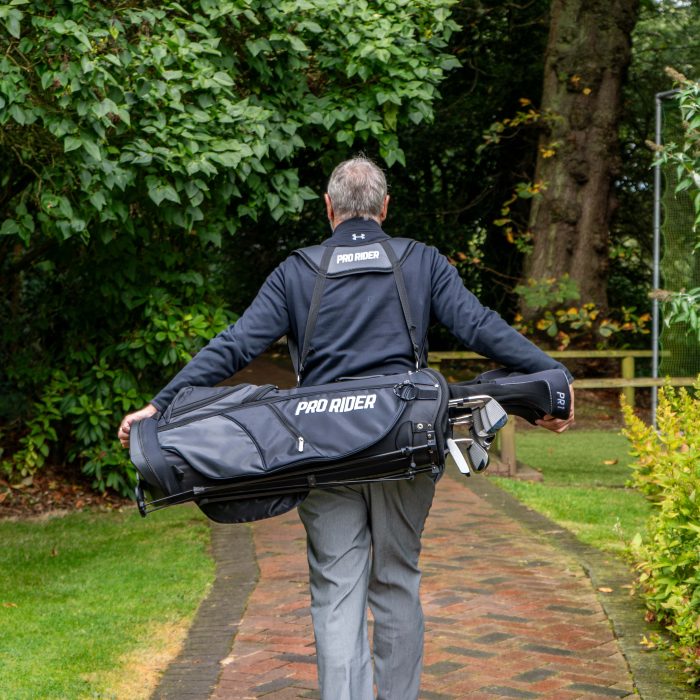
Forgiving club heads, lightweight designs and graphite shafts can help senior golfers counterbalance the inevitable challenges that come with ageing. Once your swing speed begins to slow, lighter clubs and graphite shafts can get you closer to the launch and zeal that comes naturally to younger players, and clubheads with larger sweet spots help you perform better on off-centre hits.
When it comes to shoes, a locked-in feeling that is nevertheless comfortable is a general indication that you’re on the right track, as good ankle and Achilles support are essential for uneven fairways.
If you’ve been playing for many years, it’s unlikely you’ll need telling that a trolley is an essential part of maintaining your health as a player. At Jack Stonehouse, we have a wide range of trolleys available for senior golfers to choose from, with many including lithium batteries available in both 18 and 36-hole models.
Golf at Jack Stonehouse
At Jack Stonehouse, our selection of individual clubs, full sets and accessories can help you make a day out on the course a little bit easier. Whether you’re a seasoned senior golfer or searching for a gentle hobby, we’ve got everything you need right here.
Comments are closed here.