
Electric Bikes in the UK: How They Work, What the Law Says & What to Expect
Electric bikes are fast becoming one of the most popular ways to get around in the UK, and with good reason. They’re eco-friendly, cost-effective, and take the sting out of hilly commutes or long weekend rides. But if you’re new to e-bikes, you probably have questions. Do you need a license? How fast can they go? And how exactly do they work?
This guide answers all that and more, giving you a solid understanding of electric bikes, how they function, what the rules are in the UK, and what to expect from your first ride.
Table of Contents:
- How Do Electric Bikes Work?
- Rules and Regulations for E-bikes in the UK
- Speed, Safety & Performance
- How to Ride an Electric Bike
- Final Thoughts: Is an Electric Bike Right for You?
How Do Electric Bikes Work?
Electric bikes, often called e-bikes, have a battery-powered motor that helps you pedal. They don’t replace your effort entirely but make cycling much easier, especially on hills or longer journeys.
What Is an Electric Bike?
In the UK, most electric bikes fall under EAPCs (Electrically Assisted Pedal Cycles), which means they:
- Have pedals
- Provide motor assistance only when pedalling
- Are limited to 15.5 mph (25 km/h)
- Use a motor with a maximum output of 250 watts
As long as your bike meets those criteria, it’s treated like a standard bicycle in the eyes of the law; no license, insurance, or registration is required.

How Does an Electric Bike Work?
When you pedal, sensors in the bike detect your movement and activate a small motor that gives you a boost. You can usually choose between different levels of assistance, depending on how much effort you want to put in.
Most e-bikes use one of two types of motors:
- Hub motors (in the wheel) – quieter and more affordable
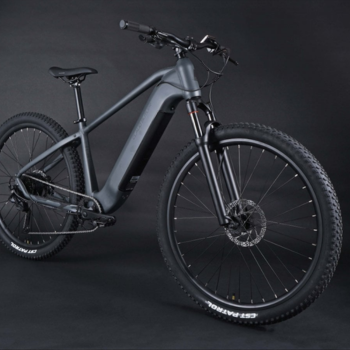
- Mid-drive motors (at the crank) – better for hills and balanced handling
Batteries are rechargeable and typically last anywhere from 20 to 70 miles on a single charge, depending on terrain, rider weight, and the assist level used.
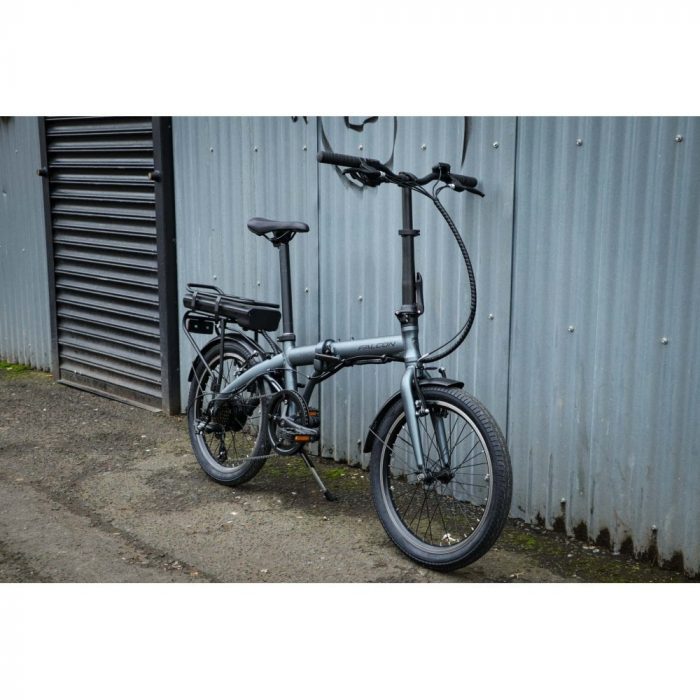
Do You Have to Pedal an Electric Bike?
Yes! These are pedal-assist bikes, meaning the motor only works when pedalling. On the other hand, throttle-based e-bikes don’t require pedalling, but they’re not legal on public roads unless registered and insured like a moped.
So, in short, yes, you do need to pedal, but it’s a lot easier than riding a regular bike.
What Is a Hybrid Electric Bike?
A hybrid electric bike is a versatile all-rounder built for both roads and light off-road tracks. It combines features from road and mountain bikes, making it ideal for commuting, weekend rides, or fitness cycling.
They usually come with:
- Comfortable upright riding positions
- Semi-slick tyres for mixed surfaces
- Rear racks and mudguards (great for commuters)
A hybrid is often the perfect starting point if you’re looking for an everyday electric bike that does a bit of everything.
Rules and Regulations for E-Bikes in the UK
E-bikes are fairly easy to own and use legally in the UK, but there are some important rules to know before you hit the road.
Do You Need a License for an Electric Bike?
For most riders, no license is needed. As long as your e-bike qualifies as an EAPC, you can legally ride it on roads and cycle paths without a driving license, road tax, or registration.
However, if your e-bike:
- Exceeds 250W motor output
- Can go faster than 15.5 mph using the motor
- Can be ridden without pedalling
It’s no longer classified as an EAPC. These are considered electric motorcycles or mopeds, which means you would need a license, registration, and insurance.
Can You Ride an Electric Bike If You’re Banned from Driving?
Yes, as long as you’re riding a legal EAPC. Since it’s treated the same as a bicycle, even those banned from driving cars or motorcycles can still legally ride an e-bike.
But again, if the bike is more powerful or doesn’t require pedalling, it’s classed as a motor vehicle and would fall under your driving ban.
Do You Need Insurance for an Electric Bike?
For EAPCs, insurance isn’t required by law, but it’s definitely worth considering:
- Theft insurance protects your bike, especially if you commute and park it regularly.
- Liability insurance covers you if you accidentally damage property or injure someone while riding.
Some home insurance policies offer e-bike cover, but always check the fine print.
How Old Do You Have to Be to Ride an Electric Bike in the UK?
You must be at least 14 years old to ride an electric bike that qualifies as an EAPC. The age limit is in place because e-bikes are heavier and faster than standard bikes, and the added power demands more responsibility.
Can You Take an Electric Bike on a Train in the UK?
Yes, but there are a few things to bear in mind:
- Folding e-bikes are usually allowed on all trains and can be stored as luggage.
- Standard e-bikes may require a reservation or be restricted during peak hours.
- Some operators, like Southern or Great Western Railway, are more bike-friendly than others.
It’s best to check with your train provider beforehand, especially if you’re travelling during busy times or bringing a non-folding e-bike.
Speed, Safety & Performance
Electric bikes are fun, but knowing how fast they can go is important, and what the law allows.
How Fast Can an Electric Bike Go?
UK law limits e-bikes to 15.5 mph (25 km/h) when assisted by the motor. You can go faster if you’re coasting downhill or pedalling hard, but the motor won’t help you beyond that limit.
What is the Fastest Electric Bike?
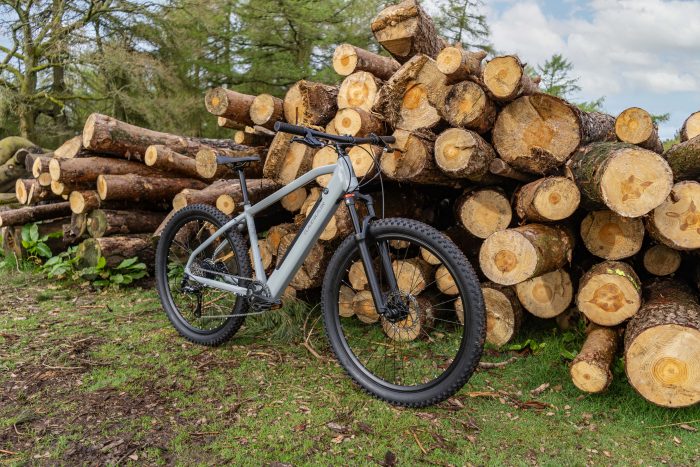
Some e-bikes can exceed 28 mph or more, but they’re not road-legal in the UK without proper registration and insurance. These include high-powered speed pedelecs and off-road models. They’re fun on private land but not suitable for commuting.
How to Derestrict an Electric Bike
Some riders look to derestrict their e-bike by removing the speed limiter, allowing the motor to assist beyond 15.5 mph. While this might sound appealing, it comes with serious downsides:
- It’s illegal on public roads
- You risk voiding your warranty
- Your bike becomes an uninsured motor vehicle
We strongly advise against it; any reputable retailer will tell you the same.

How to Ride an Electric Bike
If you’ve ridden a regular bike before, you’ll pick up an e-bike in no time.
- Turn it on using the display or control panel.
- Select an assist level. Most bikes have 3 to 5 settings.
- Start pedalling, and you’ll feel the motor kick in.
- Brake early. E-bikes are heavier and need more stopping distance.
- Ride smart. Use lower assist levels to extend your battery.
Take a few short rides locally before tackling longer routes, and always wear a helmet.
Final Thoughts: Is an Electric Bike Right for You?
Electric bikes are changing how we travel. From breezy commutes to leisurely rides in the countryside. Whether you’re looking to ditch the car, get fitter, or just enjoy a little help up the hills, an e-bike is a smart, sustainable option. Just remember: stick to a UK-legal model, follow the basic rules, and you’ll ride confidently in no time.
Find Your New E-bike at Jack Stonehouse
Our wide selection of e-bikes offers an unbeatable range of designs, from folding bikes to low-step hybrids. Shop now to benefit from delivery on all orders over £75.
Related:
Comments are closed here.