
When to Plant Spring Bulbs: The Ultimate Guide to Vibrant Garden Planters
Transform your garden by planting summer bulbs like Lilies and Dahlias between March and May, ensuring they are planted at a depth of 3 times their height. To prevent bulb rot, invest in high-quality planters that provide excellent drainage and ample compost capacity for vibrant, healthy blooms. This guide covers how to plant bulbs for spring flowers, the “Rule of Three” for perfect placement, and how to maintain professional-looking displays year-round with Jack Stonehouse accessories.
As the frost begins to fade, there is nothing quite like the anticipation of those first green shoots breaking through the soil. Spring gardening isn’t just a hobby; it’s a race against the seasons to ensure your outdoor space is a riot of colour by April and May. The secret to a professional-looking display? It’s less about having a “green thumb” and more about timing, depth, and the right vessel.
TL;DR: The “Cheat Sheet” for Spring Success
Don’t have time to dig through the details? Here is the Jack Stonehouse shortcut to a professional garden display:
- The Best Time: Plant summer-flowering bulbs (like Lilies and Dahlias) between March and May as the soil warms up.
- The Golden Rule: Always plant bulbs at a depth of three times their height, with the “pointy end” facing the sky.
- Pick the Right Pot: Glazed ceramic planters are the top choice for moisture retention and durability against the British weather.
- Avoid the Rot: Use a “three-layer” filling approach (drainage base, quality compost, and slow-release fertiliser), and always sit your pots on pot feet to improve airflow.
Table of contents
When is the Best Time to Plant Spring Bulbs?
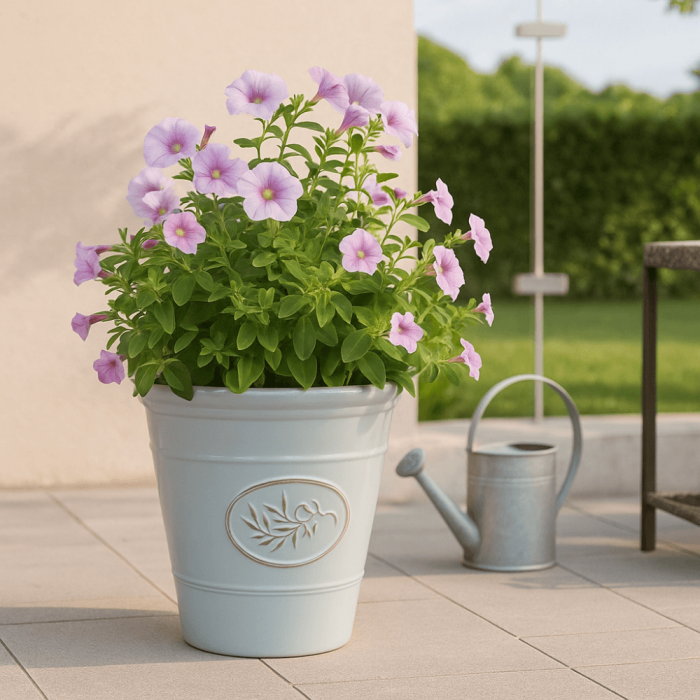
If you’re asking when to plant spring bulbs, the answer depends on your goal. While many hardy bulbs (like Daffodils and Tulips) are best tucked away in late autumn, there is a wide variety of spring-planted bulbs and bedding plants that need to be planted in the ground or in planters as soon as the soil warms up in March and April.
To get a continuous “wave” of colour, you need to stagger your planting. Use the table below to plan your weekend gardening:
| What to Plant | When to Plant | Bloom Time | Why We Love It |
| Lilies & Gladioli | March – April | Summer | Incredible height and scent. |
| Begonias | April – May | All Summer | Perfect for “shady” spots. |
| Dahlias | May (After Frost) | Late Summer | Massive, show-stopping flower heads. |
Which Planter Should I Use?
The material of your planter affects more than just aesthetics; it dictates how well your plants grow and how long the pot will last.
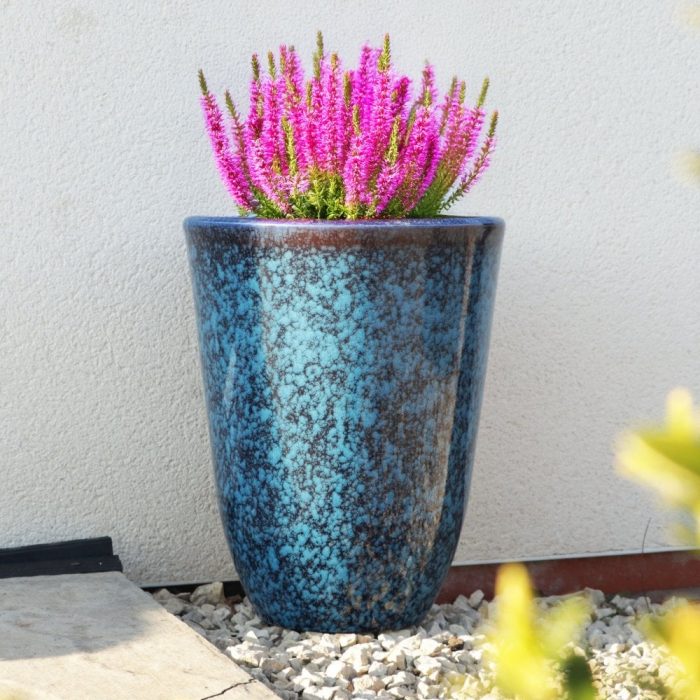
Glazed Ceramic: Our Tall Dapple Blue Planter is the gold standard for spring displays. The glaze creates a weather-resistant barrier that prevents the pot from absorbing moisture, keeping the soil hydrated for longer. They are heavy enough to resist wind and offer a premium, high-shine finish.
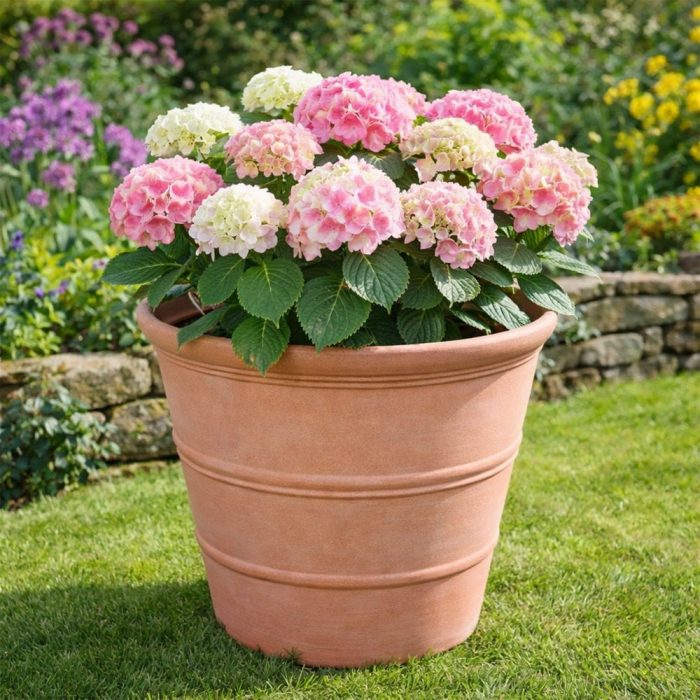
Terracotta: A classic look, but highly porous. Water evaporates quickly through the walls, meaning you’ll need to water your bulbs much more frequently during dry spells.
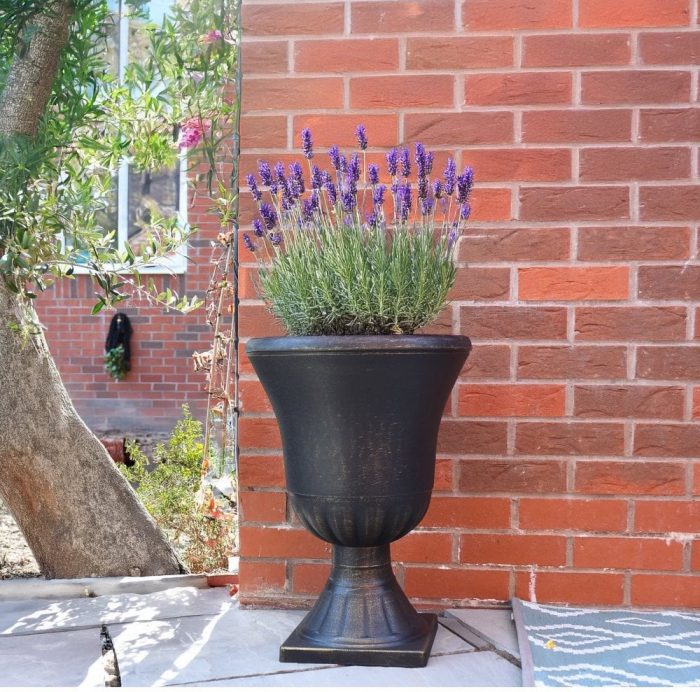
Plastic & Resin: Lightweight and affordable, but can become brittle over time when exposed to UV rays. Options such as the Greek Style Urn Planter are best to withstand all elements during any season, being both UV-protectant and frost-resistant.
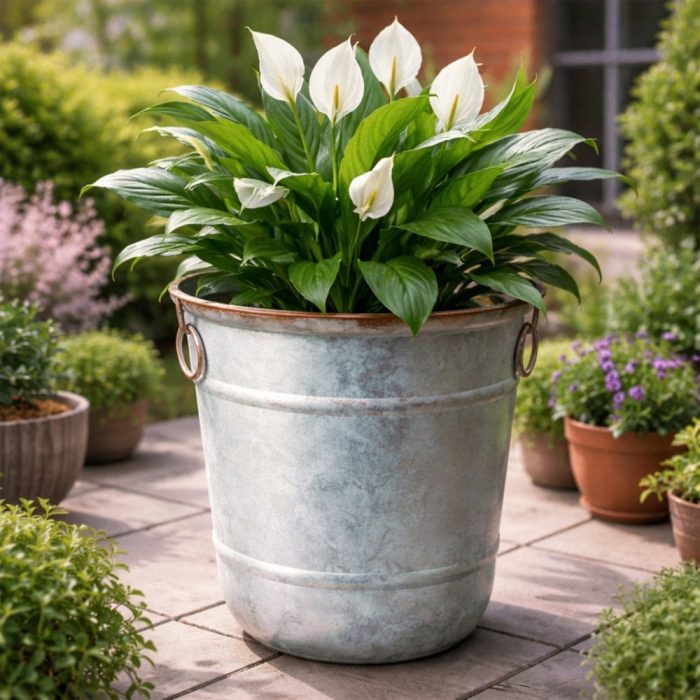
Galvanised Steel: A popular choice for a modern, industrial look. Steel options like the Bucket Planter are incredibly durable and lightweight compared to stone. However, metal conducts heat quickly; in mid-summer, you’ll need to water more frequently as the sun can warm the soil inside the metal walls.
Pro Tip on Drainage: Proper drainage is the difference between a thriving bloom and root rot. While many online descriptions can be vague, a quality planter should allow excess water to escape. Our large blue series comes with a drainage hole that is designed for durability and airflow, ensuring your spring bulbs don’t sit in waterlogged soil.
Spring Planting FAQs
How to plant bulbs for spring flowers
To get the most out of your Jack Stonehouse planters, follow this simple “Rule of Three”:
- The Depth Rule: Generally, you should plant a bulb at three times its own height. If a bulb is 2cm tall, it needs 6cm of soil above it.
- The Direction Rule: Always plant bulbs with the “pointy bit” facing upwards. If you can’t tell which side is the top, plant it on its side; the stem will find its way to the light!
- The Crowding Rule: For a “bouquet” effect in a container, you can plant bulbs closer together than you would in a garden bed. Just ensure they aren’t touching each other or the sides of the planter.
When is the best time to plant bulbs for spring flowers?
For the best results, start your “spring-planted” summer bulbs as soon as the risk of hard frost has passed (usually March or April). This gives them a full growing season to establish strong roots.
What plants do well in planters?
Most plants can thrive in containers if given enough space. For spring and summer, bulbs (Lilies, Alliums), bedding plants (Petunias, Geraniums), and even small shrubs do exceptionally well. The key is choosing a container that matches the plant’s root size. Our larger glazed planters are ideal because they hold more compost, which retains moisture longer during hot spells.
What to put in planters year-round?
To avoid an empty garden in winter, “layer” your planting. Use an evergreen centrepiece (such as a Buxus ball or Skimmia) and surround it with seasonal plants. In spring, tuck in crocus and daffodils; in summer, swap them for vibrant petunias. This keeps your Jack Stonehouse planters looking lush year-round.
What should I fill my large planter with?
Don’t just use garden soil; it is too heavy and lacks the aeration required for container success. Follow this professional three-layer approach:
The Drainage Base: Start with 2–3 inches of “crocks” (broken terracotta) or large gravel. This ensures the drainage hole remains clear and prevents soil from clogging the base.
The Right Compost: Use Peat-Free Multi-purpose compost for seasonal spring bulbs. If you are planting a permanent shrub (like a Buxus ball), choose a soil-based John Innes No. 3 for better long-term nutrient retention.
The Elevation Secret: As recommended by the RHS, always raise large planters on pot feet. This improves airflow and prevents water from pooling underneath, which can lead to frost damage in early spring.
The Nutrient Boost: Mix in a slow-release fertiliser at planting to keep your display vibrant without constant attention.
How to maintain spring plants
Once your bulbs are settled in their new blue home, keep the soil moist but not soaked. As the shoots appear, apply a liquid feed every two weeks to provide the nutrients they need for vibrant, show-stopping petals. Don’t wait until May to start your garden. Grab your bulbs and your premium planters today to ensure a summer full of colour.
Shop Garden Planters at Jack Stonehouse
Don’t wait until May to start your garden. Grab your bulbs and your premium planters today to ensure a summer full of colour.
Browse Our Full Range of Garden Planters & Accessories
Related
The Ultimate Guide to Attracting Garden Birds: Top Tips for a Wildlife Haven
What’s the Difference Between a Pergola and a Gazebo? Your Complete Guide
How to Clean a Garden Awning
Comments are closed here.