
How to Clean Garden Furniture: The Expert Guide to a Summer-Ready Space
As the days get brighter, it’s time to pull the covers off your outdoor set. But before you fire up the BBQ, a proper spring clean is essential. Not only does it make your space look inviting, but knowing the best way to clean your garden furniture can actually save you hundreds of pounds by extending the lifespan of your set.
In this guide, we’re sharing the high-utility secrets to cleaning wooden garden furniture effectively, removing stubborn algae, and deciding once and for all: is pressure washing actually safe for your furniture?”
TL;DR
If you’re short on time, here is the Jack Stonehouse quick-start guide to a pristine patio:
- Best Cleaning Method: Hand cleaning with warm, soapy water and a soft brush is safest for all materials.
- The “Magic” Solution: Use a 1:3 mix of white vinegar and water to kill algae and remove green moss.
- Material Tip (Wood): Always scrub with the grain to avoid splintering.
- Material Tip (Plastic): Use a baking-soda paste to restore the shine to white plastic chairs.
- Longevity Hack: Avoid high-pressure washers on delicate wood or old metal; they can strip protective coatings and reduce durability.
- Storage: Ensure everything is 100% dry before covering to prevent mould and mildew.
Content
- Pressure Washing vs Hand Cleaning: Protecting Durability
- Material-Specific Cleaning Guides
- How Often Should I Clean My Garden Furniture?
- The Battle Against Nature: Algae, Mould, and Mildew
- Seasonal Maintenance Tips for Extending Lifespan
- Frequently Asked Questions (FAQs)
- Easy-Clean Garden Furniture at Jack Stonehouse
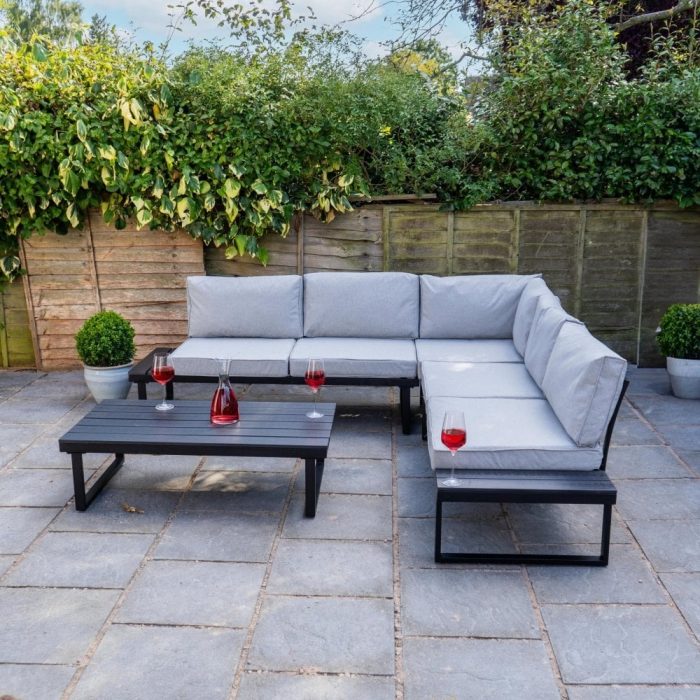
Pressure Washing vs Hand Cleaning: Protecting Durability
One of the most common questions we get is about pressure washing vs hand cleaning for the durability of garden furniture.
- Pressure Washing: Fast and satisfying, but proceed with caution. High pressure can splinter wood fibres and strip protective coatings from metal.
- Hand Cleaning: The gold standard for longevity. Using a soft-bristled brush and the right cleaning products safe for different garden furniture materials ensures you don’t cause micro-damage that leads to rot or rust.”
Material-Specific Cleaning Guides
Cleaning Wooden Garden Furniture Effectively
To keep wood looking premium, avoid harsh chemicals. Start by removing loose debris. The best approach involves a bucket of warm, soapy water and a soft cloth, scrubbing with the grain. For tougher grime, look for easy homemade solutions for cleaning garden furniture, like a mixture of white vinegar and water, which cuts through grease without damaging the timber.
Best Methods for Cleaning Metal Garden Furniture and Removing Rust
Metal is durable but prone to oxidation. If you spot orange flecks, act fast. Use a wire brush or fine-grit sandpaper to remove surface rust gently. For a deep clean, a mild detergent is best. Avoid bleach, as it can accelerate corrosion on certain alloys.
How to Clean Plastic Garden Chairs and Tables (Including White Plastic)
Plastic is low maintenance, but it can yellow or grey over time. If you’re wondering how to clean white plastic garden furniture to get that ‘brand new’ shine, try a paste of baking soda and water. It’s a mild abrasive that lifts stains without scratching the finish. Rinse thoroughly to prevent a cloudy residue.
Cleaning Outdoor Fabric Cushions and Upholstery
Don’t forget the comfort! Cleaning outdoor fabric cushions and upholstery requires a gentle touch. Most modern fabrics are treated for water resistance; machine washing can strip this. Instead, spot-clean with a sponge and a dedicated fabric restorer to keep them plush and vibrant.
How Often Should I Clean My Garden Furniture?
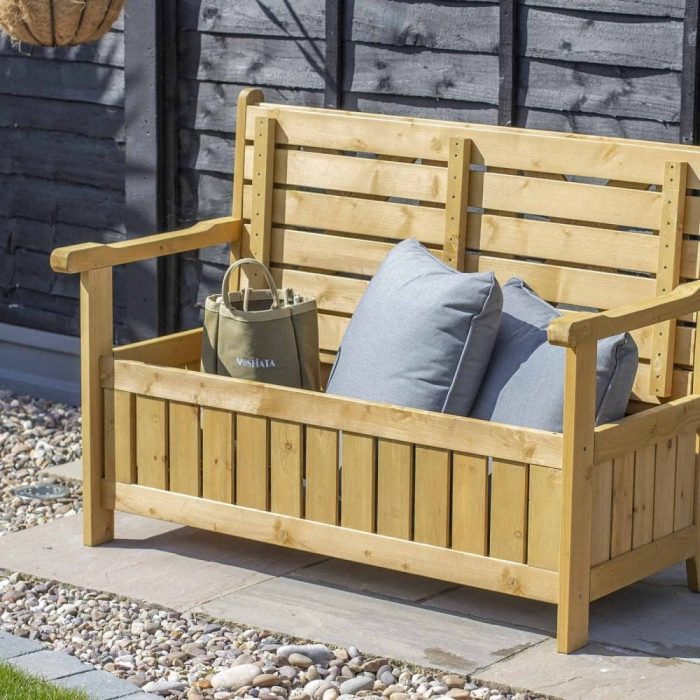
The frequency of cleaning your garden furniture depends on several factors, such as how often you use it and the weather conditions it faces. As a general rule of thumb, it’s a good idea to clean your furniture at least four times a year and ahead of the summer when it is most likely to be used. However, different materials require different care, and the cleaning frequency may need to be adjusted based on your circumstances.
Furniture Type | Cleaning Frequency | Cleaning Steps | Additional Notes |
| Rattan Furniture | Every 3 months | Use a soft brush to remove dust and debris. Wash with mild soap and water (avoid soaking). Dry the furniture thoroughly with a cloth. Check for any signs of wear or damage and address them promptly. | Clean more often if exposed to dust, pollen, or heavy rain. |
| Metal Furniture | Every 3 to 6 months | Clean with mild soap and water.Use a soft cloth or sponge to scrub.Check for rust spots and treat them immediately.If necessary, re-coat the metal with protective paint or wax. | Clean more frequently if exposed to harsh weather or rust. Take action immediately for rust spots. |
| Wood Furniture | Every 2 to 3 months | Wipe down with a soft cloth and soapy water. Rinse thoroughly and dry immediately. Sand any rough areas. Apply wood oil or sealant to protect against moisture. | Requires more frequent cleaning if exposed to sunlight or moisture. Use oils or sealants for maintenance. |
| Plastic Furniture | 2-3 times a year | Wipe down with soapy water. Use a soft cloth to scrub off dirt. Rinse thoroughly and dry. For stubborn stains, use a diluted vinegar solution. | Check for cracks or splits, as plastic can become brittle over time. Store out of direct sunlight to avoid UV discolouration. |
The Battle Against Nature: Algae, Mould, and Mildew
Nothing ruins a garden aesthetic like green staining. Here is how to remove green algae and moss from garden furniture surfaces:
- The Solution: Mix one part white vinegar with three parts water.
- The Process: Apply to the surface and let it sit for 15 minutes before scrubbing. To keep your set pristine, learning how to prevent mould and mildew on garden furniture is key. Ensure your furniture is completely dry before covering it, and never store cushions in damp sheds over winter.
Seasonal Maintenance Tips for Extending Lifespan
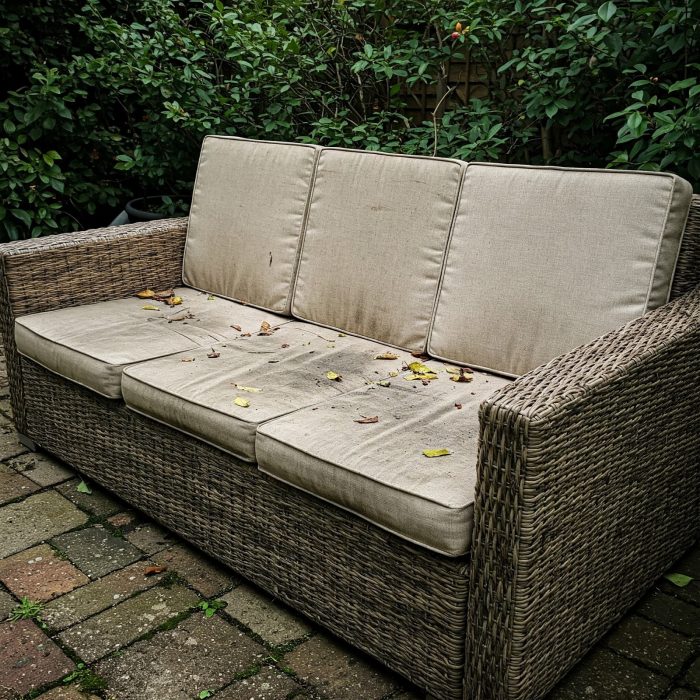
A little effort in April saves a lot of money in October.
- Check the hardware: Tighten loose bolts on metal frames.
- Oil the wood: Apply a fresh coat of teak or linseed oil once the furniture is dry.
- Cover up: Even in summer, using breathable covers during heavy rain prevents standing water that can lead to algae growth.
Frequently Asked Questions (FAQs)
What’s the best way to clean outdoor patio furniture without damaging it?
The safest method is using a pH-neutral soap (like dish soap) and a soft-bristled brush. Avoid bleach or harsh abrasive cleaners, as these can degrade UV-protective coatings on plastic and strip the natural oils from wooden furniture.
How do I clean white plastic garden furniture that has turned grey?
To restore white plastic, create a paste using baking soda and a little water. Apply it to the stains, let it sit for 10 minutes, and scrub gently. The mild alkalinity lifts deep-seated grime without scratching the plastic surface.
Is it safe to use a pressure washer on my garden furniture?
When comparing pressure washing vs hand cleaning, hand cleaning is always safer for durability. If you must use a pressure washer, keep it on a low-PSI setting and maintain a distance of at least 12 inches to avoid splintering wood or chipping metal paint.
How can I remove green algae and moss from garden furniture surfaces?
Mix one part white vinegar with three parts warm water. Spray the solution onto the algae, leave for 15–20 minutes, and scrub with a stiff brush. Rinse with fresh water. For stubborn moss on wood, a specialised oxygen bleach cleaner is a safer, eco-friendly alternative to chlorine bleach.
What are the best methods for cleaning metal garden furniture and removing rust?
Start by washing with soapy water. If you find rust, use a wire brush or fine-grit sandpaper to remove it, then apply a rust-inhibiting primer or touch-up paint. Doing this prevents the oxidation from spreading and compromising the frame.
How do I prevent mould and mildew on garden furniture?
The key is airflow and dryness. Never store cushions in plastic bags, and ensure wooden or metal frames are completely dry before putting on winter covers. Using breathable furniture covers helps prevent moisture from being trapped against the material.
Easy-Clean Garden Furniture at Jack Stonehouse
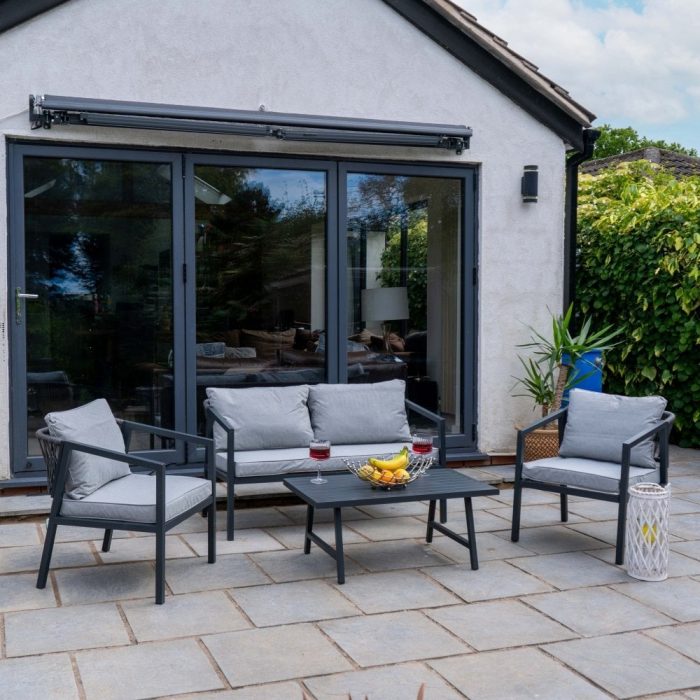
With these tips, your garden set should be ready for years of summer memories. However, if your current set has reached the end of its life despite your best efforts, it might be time for an upgrade. Explore our latest range of durable, easy-to-clean Garden Furniture.
Related
How to Save Space in Your Garden
The Best Garden Storage Pieces for Winter
How to Secure a Garden Shed
Comments are closed here.